
What to Expect During the Restoration Process
People searching for storm restoration are typically looking to repair storm damage, and local contractors can guide them through what to expect during the restoration process.
Understanding what to expect during the restoration process can help property owners feel more prepared and confident when facing storm damage. This journey often involves several key stages, from initial assessments to final touches, each designed to restore safety and stability to a property. For those in the area exploring storm restoration services, knowing what typically occurs can make coordinating with local contractors smoother and less stressful. These professionals are experienced in guiding clients through each phase, ensuring the work aligns with individual needs and circumstances.
Property owners may seek information about the restoration process to better understand the steps involved after severe weather events. Whether dealing with roof damage, flooding, or structural issues, knowing what to anticipate helps in planning and decision-making. Local service providers specialize in handling these situations, offering expertise to navigate the complexities of storm restoration. Continuing to read can provide valuable insights into how these professionals manage each stage, making the process more transparent and manageable for those facing property repairs.
- Storm damage repair - homeowners may need this work after severe weather, and local contractors assess the damage to develop a restoration plan.
- Roofing repairs - storm-related roof issues require prompt attention, and local service providers inspect and restore roofing systems accordingly.
- Water damage restoration - flooding or leaks during storms lead to this work, with local pros identifying affected areas and managing water removal.
- Siding and exterior repairs - high winds and hail can cause exterior damage, and local contractors evaluate and restore siding and outer surfaces.
- Tree and debris removal - storm debris can block access or cause further damage, and local experts handle cleanup to prepare for subsequent restoration steps.

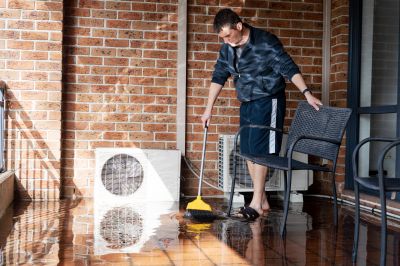
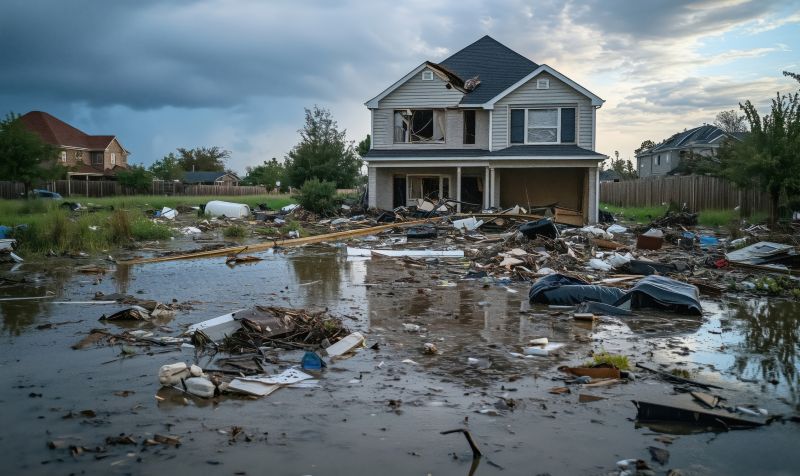
Understanding what to expect during the restoration process can help homeowners feel more prepared when dealing with storm damage or other property issues. Typically, this process involves several key stages, starting with an initial assessment by local contractors who specialize in storm restoration. They will evaluate the extent of damage, identify areas needing repair, and discuss potential solutions. Homeowners should be aware that the process often requires multiple steps, including securing permits, removing damaged materials, and performing repairs or replacements to restore the property to its pre-storm condition. Knowing what each stage entails can help manage expectations and ensure a smoother experience.
The types of problems that lead homeowners to seek restoration services are usually related to storm damage, such as roof leaks, fallen trees, flooding, or wind-related structural issues. These problems often compromise the safety and integrity of a property, making prompt and professional intervention essential. Restoration plans typically involve addressing both visible damage and underlying issues that could cause future problems. Local storm restoration service providers are experienced in handling these specific challenges, ensuring that repairs are thorough and durable. This connection between the damage, repair plans, and professional expertise is crucial for homeowners to understand during the restoration journey.
Properties that commonly undergo storm restoration include residential homes, multi-family dwellings, and sometimes small commercial buildings. Homes with older or poorly maintained exteriors are particularly vulnerable to storm-related damage and may require extensive repairs. The scope of work can vary widely depending on the severity of the storm impact, from minor repairs to complete rebuilds of damaged sections. Local contractors are familiar with the unique needs of different property types and can tailor their services accordingly. Recognizing the property type and damage extent helps homeowners better understand what to expect during the restoration process and how local service providers can assist in returning their property to a safe, functional state.
Throughout the restoration process, homeowners can generally expect a collaborative approach with local pros who focus on clear communication and efficient work. From initial assessment to final repairs, these service providers will keep homeowners informed about progress and any necessary decisions. The process often involves multiple phases, including damage mitigation, structural repairs, and cosmetic fixes, all aimed at restoring the property’s safety and appearance. Understanding that this is a comprehensive effort can help homeowners remain patient and proactive. Connecting with experienced local contractors ensures that the restoration is handled professionally, with attention to detail, and with the goal of returning the property to its optimal condition after storm damage.
Roof Repair Projects - These projects involve assessing and restoring roofing systems affected by storm damage, requiring similar planning and inspection skills as storm restoration services.
Water Damage Restoration - Addressing water intrusion and drying processes shares techniques and tools used in storm-related property restoration.
Siding Replacement Services - Replacing or repairing exterior siding after storm impacts involves similar surface assessment and material installation skills.
Gutter Repair and Installation - Ensuring proper drainage after storm events involves planning and skillsets comparable to storm damage mitigation efforts.
Interior Drywall Repair - Restoring interior walls after water or storm damage requires precise repair techniques and surface preparation skills.
Deck and Exterior Repair - Repairing or replacing damaged decks and outdoor structures involves planning and construction skills akin to storm damage restoration projects.

When evaluating service providers for storm restoration, it is important to consider their experience with similar projects. Local contractors who have handled storm-related repairs in the past are more likely to understand the typical challenges and necessary steps involved in the restoration process. Their familiarity with the scope of work, common issues, and effective solutions can help ensure that the project proceeds smoothly and efficiently. Asking for details about their previous storm restoration work can provide insight into their expertise and whether they have the practical knowledge needed to manage your specific situation.
Clear, written expectations are essential when comparing local pros for storm restoration services. A reputable contractor should be able to provide a detailed outline of what the restoration process will involve, including the scope of work, materials used, and the estimated timeline. Having this information in writing helps prevent misunderstandings and ensures that everyone is on the same page from the outset. It also demonstrates professionalism and transparency, which are important qualities when entrusting someone with your home during a sensitive restoration project.
Effective communication and reputable references are key factors to consider when choosing local service providers. Contractors who are responsive and willing to answer questions can help you feel more confident throughout the process. Additionally, seeking references or reviews from previous clients can offer valuable perspectives on their reliability and the quality of their work. Good communication and positive references indicate a contractor’s commitment to customer satisfaction and can help you feel assured that the restoration will be handled professionally and with attention to detail.
Property owners often search for what to expect during the restoration process when they are planning practical projects around their homes and businesses. Local pros provide Storm Restoration services for everyday jobs and straightforward project options.

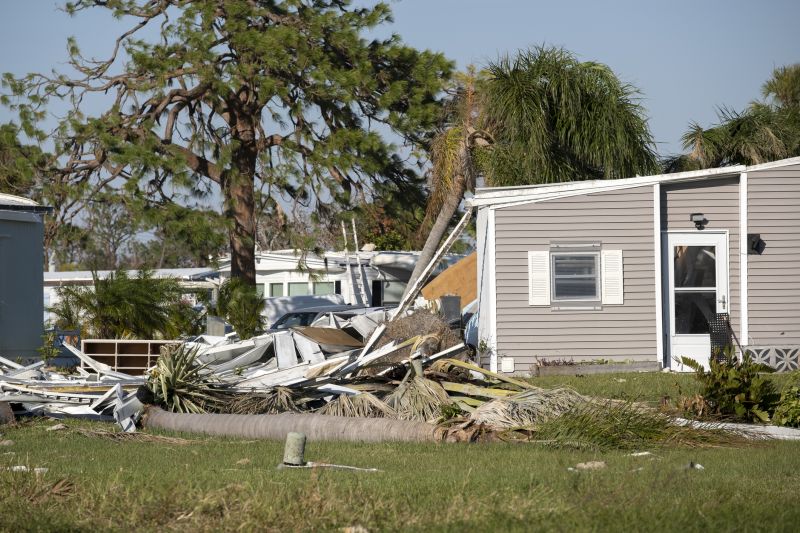
During the restoration process after a storm, property owners can typically expect a series of organized steps as local contractors work to repair and restore their homes or businesses. Initially, there may be an assessment phase where service providers evaluate the damage and determine necessary repairs. This often involves some disruption, such as debris removal or temporary safety measures, but it helps ensure that the restoration is thorough and effective. As work progresses, property owners might notice ongoing updates from the contractors about the scope of work and any unexpected issues that arise, which is a normal part of managing complex repairs.
Understanding what to expect during the restoration process can help property owners feel more prepared for the typical situations that occur. For example, there may be periods of noise, the presence of construction equipment, or minor inconveniences as repairs are carried out. Local service providers aim to coordinate their efforts efficiently, addressing water damage, roof repairs, or structural issues caused by storms. Having clear communication from these professionals can make the process smoother, providing reassurance that experienced local contractors are handling the necessary work to restore the property safely and effectively.
What happens during the initial assessment of storm damage? Local contractors typically inspect the property to evaluate the extent of storm-related damage, identify necessary repairs, and determine the scope of restoration work needed to restore the property to its pre-storm condition.
How do service providers handle water or structural damage? Once on-site, local pros will often remove standing water, dry out affected areas, and perform structural assessments to ensure safety and stability before proceeding with repairs or replacements.
What is the process for restoring damaged roofing or siding? Restoration professionals usually start by removing damaged materials, then replace or repair roofing and siding components to protect the property from future storms and improve its appearance.
What steps are taken to ensure the property is protected during restoration? Local contractors may install temporary coverings, tarps, or barriers to prevent further damage from weather while repairs are underway, ensuring the property remains secure.
What should homeowners expect during the cleanup and final inspection? The cleanup involves debris removal and cleaning affected areas, followed by a final walkthrough with the service provider to ensure all storm damage has been addressed and the property is restored properly.
Assessment and Inspection - Local contractors will evaluate the damage caused by storms to determine the scope of restoration needed, helping property owners understand what repairs are necessary.
Damage Repair and Restoration - Service providers will perform repairs on roofing, siding, and other affected areas to restore the property to its pre-storm condition.
Water and Mold Mitigation - Pros can address water intrusion and prevent mold growth by implementing effective drying and cleanup procedures during the process.
Final Inspection and Cleanup - After repairs, local experts will ensure all work meets standards and clean up the site to leave the property ready for use.
If you are thinking about what to expect during the restoration process for a property, this guide is meant to help you understand this topic, the typical project types, and how different options might fit your plans.
When you are ready, you can use the quote form on this page to share a few details about your project. From there, local pros can review the basics and follow up with options that match what you have in mind.